
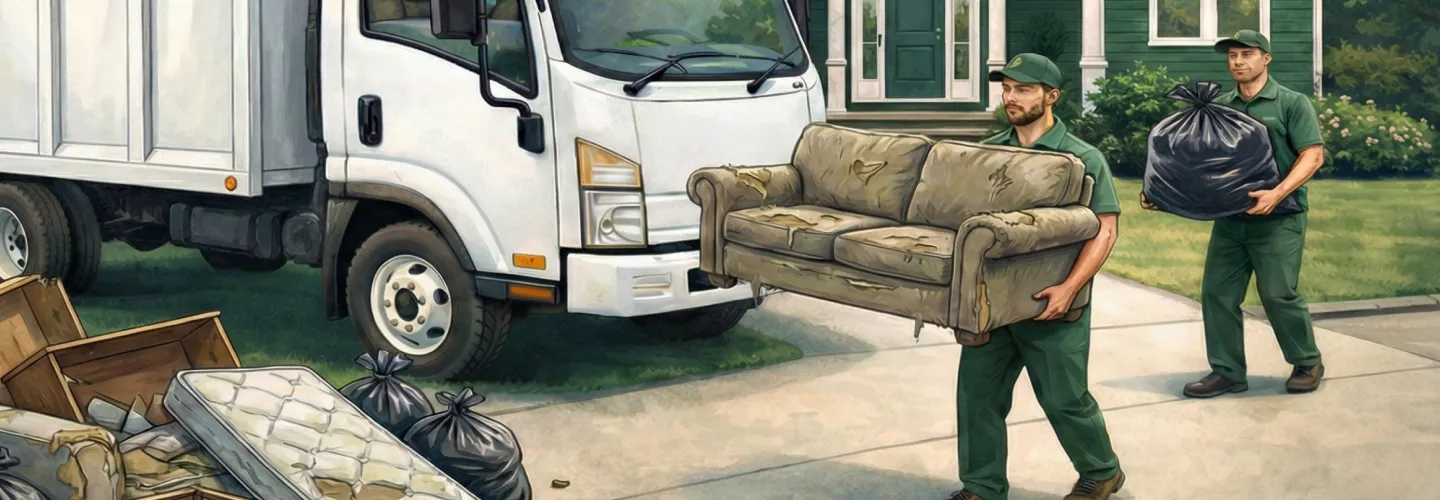
Newnan Construction Waste Management Services
Choose us for your construction waste management needs and experience hassle-free, eco-friendly disposal that keeps your project on schedule and your site safe—because your peace of mind matters.
Get a Free QuoteOur Newnan Junk Removal Services
Construction Waste Management in Newnan, GA – Local Service Guide
Construction waste management in Newnan, GA, requires a tailored approach for both residential and commercial needs. In neighborhoods like Summergrove and Historic Downtown, residents often need to dispose of bulky items such as furniture, appliances, or hot tubs during seasonal cleanouts, renovations, or after major life events. Local weather, property access, and the size of items can impact logistics, especially in areas with narrow driveways or heavy tree coverage. For residential spaces like garages, basements, and yards, spring and fall cleanups are common, particularly after storms or during yard waste cycles. Commercial properties in districts such as Ashley Park and the Newnan Crossing area face unique challenges, including high waste volumes from office renovations, restaurant upgrades, or retail turnovers, often requiring discreet and timely removal to minimize business disruption. Specialty services—like dumpster rentals for construction debris or coordinated cleanouts for estate and foreclosure properties—demand careful planning and compliance with local regulations. For guidance on permits and disposal rules, consult the Newnan Public Works Department.
Key Considerations for Construction Waste Management in Newnan
- Timing cleanouts around local weather and seasonal events
- Securing necessary permits for large-scale disposal
- Using approved disposal and recycling channels
- Ensuring access for removal vehicles in tight or tree-lined areas
- Estimating waste volume for proper container sizing
- Coordinating with city services for category-specific items
Benefits of Construction Waste Management in Newnan
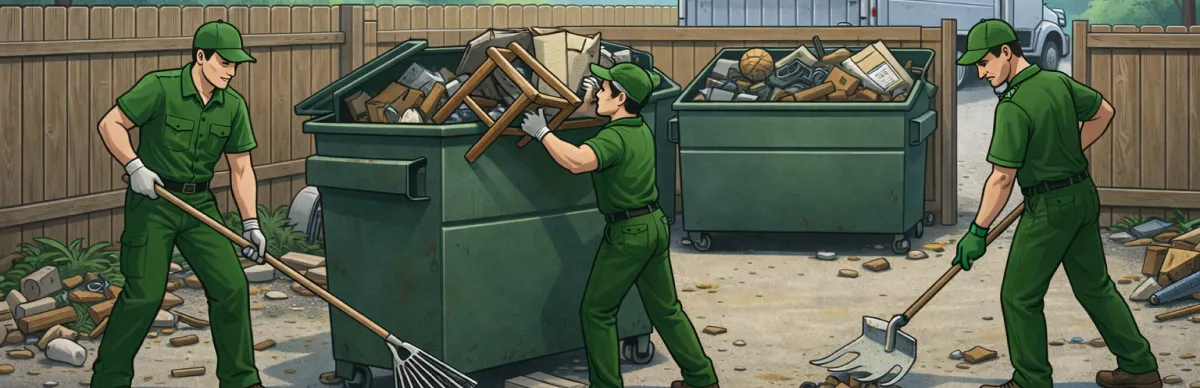
Efficient Debris Removal
Cost-Effective Waste Solutions
Environmentally Friendly Practices
Compliance With Local Regulations
Improved Site Safety
Streamlined Project Timelines
Coordinating Construction Debris Disposal with Newnan's Public Works Department
Construction and demolition (C&D) projects in Newnan generate significant volumes of waste that require proper coordination with municipal services. The Newnan Public Works Department oversees sanitation services and can provide guidance on approved disposal methods for construction materials. Before beginning any renovation or demolition project, property owners and contractors should confirm current waste acceptance policies and scheduling requirements.
- Lumber, drywall, and roofing materials must be separated from household trash and cannot be placed in standard residential collection bins
- Concrete, brick, and masonry rubble require disposal at facilities equipped to handle inert materials
- Mixed C&D loads containing hazardous substances such as lead paint or asbestos are subject to additional regulatory oversight
- Contractors operating within city limits should verify commercial hauler licensing requirements through the municipality
Newnan Public Works Department
25 LaGrange Street, Newnan, GA 30263
Phone: (770) 254-2354
Official Website: Newnan Public Works Department
Newnan Building Permit Requirements for Renovation and Demolition Debris
Any construction project generating waste in Newnan typically requires appropriate building permits before work commences. The Newnan Building Department administers permits for residential and commercial construction, renovation, and demolition activities. Permit applications undergo plan review to ensure compliance with local building codes, which include provisions for on-site waste management during active construction.
- Demolition permits are required before structural removal begins; applications must detail the scope of work and anticipated debris types
- Renovation permits for projects involving load-bearing walls, electrical, or plumbing systems trigger additional inspection requirements
- Permit holders are responsible for ensuring all generated waste is disposed of at authorized facilities
- Projects in Newnan's historic downtown district may require additional review through Newnan Planning & Zoning to preserve architectural character
- Failure to obtain proper permits before generating construction waste may result in stop-work orders and code enforcement action
Newnan Building Department
25 LaGrange Street, Newnan, GA 30263
Phone: (770) 254-2354
Official Website: Newnan Building Department
Georgia's Solid Waste Management Act and Construction Material Compliance
Georgia's solid waste regulations are administered by the Georgia Environmental Protection Division (GA EPD), which establishes standards for the handling, transport, and disposal of construction and demolition debris statewide. The Georgia Comprehensive Solid Waste Management Act (O.C.G.A. § 12-8-20 et seq.) requires that all solid waste, including C&D materials, be disposed of only at permitted facilities. Coweta County, where Newnan is located, falls under regional solid waste planning requirements that govern landfill capacity and diversion goals.
- Asbestos-containing materials must be handled by licensed abatement contractors and disposed of at facilities permitted to accept friable asbestos waste under both state and EPA regulations
- Lead-based paint debris from pre-1978 structures requires compliance with the EPA Renovation, Repair, and Painting Rule
- Treated lumber (CCA-treated wood) should not be burned on-site and must be landfilled at an approved facility
- Concrete and clean fill may be accepted at inert waste landfills or recycling processors separately from mixed debris
- Illegal dumping of construction waste carries penalties under Georgia law, including fines and potential criminal charges
Stormwater Protection and Erosion Control During Newnan Construction Projects
Active construction sites in Newnan must implement stormwater pollution prevention measures to protect local waterways and comply with municipal and state environmental standards. The Newnan Stormwater Management program enforces erosion and sediment control requirements that directly affect how construction waste is stored and managed on-site. Improperly contained debris, exposed soil, and construction runoff can introduce pollutants into Newnan's storm drain system and downstream water bodies.
- Silt fencing and sediment barriers must be installed before land-disturbing activities begin on sites exceeding one acre
- Debris stockpiles including sawdust, drywall dust, and concrete slurry must be covered or contained to prevent stormwater contamination
- Washout areas for concrete trucks and equipment must be designated and maintained away from storm drains
- Construction sites are subject to inspection by Newnan's stormwater staff; violations may result in citations and required corrective action
- Georgia's General Permit for Construction Activity (GAR 100002) applies to projects disturbing one or more acres of land
Newnan Stormwater Management
25 LaGrange Street, Newnan, GA 30263
Phone: (770) 254-2354
Official Website: Newnan Stormwater Management
Material Sorting and Recycling Obligations for Newnan Construction Sites
Responsible construction waste management in Newnan includes separating recyclable materials from general debris to reduce landfill burden and comply with evolving waste diversion expectations. While Georgia does not currently mandate a specific C&D recycling percentage statewide, many regional facilities and Coweta County waste management programs encourage or require separation of recoverable materials. Contractors and property owners should identify local recycling processors that accept sorted construction materials.
- Scrap metal (steel beams, copper wiring, aluminum flashing) holds resale value and should be separated for recycling at licensed scrap yards
- Clean wood (untreated, unpainted lumber) may be accepted by wood recycling facilities for mulch or biomass processing
- Cardboard and packaging from building materials should be broken down and recycled through standard commercial recycling channels
- Concrete and asphalt can often be crushed and reused as aggregate base material at permitted recycling operations
- Appliances and fixtures removed during renovation must comply with refrigerant recovery requirements under EPA Section 608 before disposal
- Newnan Code Enforcement may investigate complaints related to unsorted debris or improper on-site waste storage
What Neighborhoods Do We Serve Throughout Newnan, GA?
- Downtown Newnan Historic District: Older commercial and residential structures frequently require renovation generating plaster, lathe, and aged roofing materials. Historic preservation review through Planning & Zoning may apply, and narrow streetscapes can limit equipment access for debris removal.
- Summergrove: This newer residential development features single-family homes with wide driveways and accessible lot configurations. Construction waste from home additions or landscaping projects is common, and HOA guidelines may govern on-site debris storage duration.
- White Oak: Established neighborhood with mature tree canopy and mid-century homes. Renovation projects often produce legacy materials requiring careful handling, and overhead clearance for hauling vehicles may be limited by low-hanging branches.
- Newnan Crossing: A mixed residential area with both single-family and townhome properties. Townhome renovations may involve shared access points, requiring coordination with adjacent property owners for debris staging.
- Brooks: Located in the southern portion of the Newnan area, this community features larger residential lots. Demolition and land-clearing projects generate significant volumes of brush, soil, and structural debris requiring transport to permitted disposal facilities.
- Jefferson Street Corridor: A transitional area with a mix of older residential properties and commercial redevelopment. Renovation and adaptive reuse projects generate diverse waste streams including commercial fixtures, outdated building systems, and structural materials.