
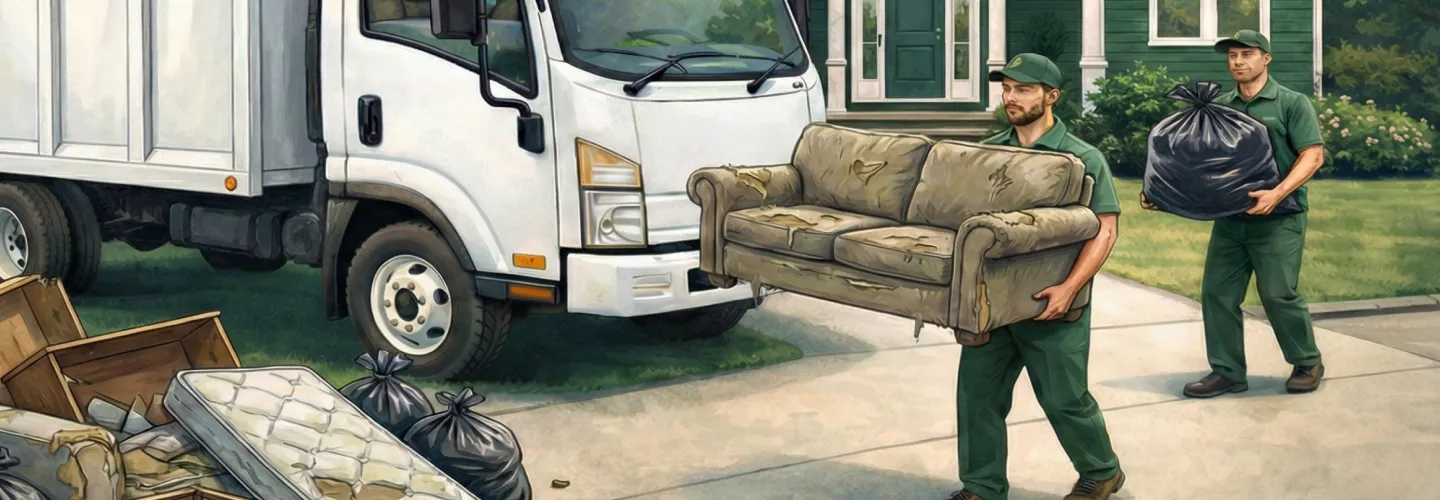
Newnan Hot Tub Removal Services
Choose our Hot Tub Removal service for a hassle-free experience—our expert team handles all the heavy lifting, safe disposal, and cleanup, so you can reclaim your space quickly and effortlessly.
Get a Free QuoteOur Newnan Junk Removal Services
Hot Tub Removal in Newnan, GA – Local Service Guide
Hot tub removal in Newnan, GA is a specialized service often needed during home upgrades, backyard renovations, or when replacing aging units. In neighborhoods like Summergrove and White Oak, residents typically schedule removals in spring or fall, aligning with outdoor improvement projects or property sales. Hot tubs are bulky and require careful disassembly, especially in homes with limited side yard access or tight driveways. Local disposal options include recycling components or arranging for landfill drop-off, but some parts may be eligible for donation if in good condition. Weather can impact scheduling, as heavy rain or storms may delay removal. For those in historic districts or gated communities, check for HOA guidelines or city permit requirements. For more on local disposal rules and resources, visit the Newnan Public Works Department.
Key Considerations for Hot Tub Removal in Newnan
- Timing: Plan around spring/fall or before major property events
- Permits: Some neighborhoods or HOAs may require approval
- Disposal Channels: Options include recycling, landfill, or donation
- Access: Narrow gates or landscaping may complicate removal
- Volume: Large hot tubs may require special equipment
- Coordination: Schedule with weather and local guidelines in mind
Benefits of Hot Tub Removal in Newnan

Fast and Efficient Service
Safe Hot Tub Disposal
Eco-Friendly Removal Practices
Experienced Removal Team
Transparent Upfront Pricing
Convenient Scheduling Options
Coordinating Hot Tub Removal with Newnan’s Department of Public Works
Proper hot tub removal in Newnan requires coordination with the Department of Public Works to ensure compliance with municipal solid waste management protocols. Residents must schedule bulk item pickups in advance, as hot tubs are considered oversized waste and are not accepted during regular curbside collection. Key steps include:
- Contacting the Department of Public Works to confirm eligibility for bulk pickup
- Preparing the hot tub by disconnecting electrical and plumbing connections
- Ensuring the item is free of hazardous materials, such as chemicals or batteries
- Placing the hot tub curbside only on the scheduled collection date
- Adhering to weight and size restrictions as outlined by city guidelines
Improper placement or failure to schedule may result in code violations or missed pickups. For self-haul options, residents can utilize the city’s transfer station, which may require proof of residency and payment of disposal fees.
Newnan Public Works Department
25 LaGrange Street, Newnan, GA 30263
Phone: (770) 253-0607
Official Website: Newnan Public Works Department
Understanding Newnan’s Environmental Compliance for Hot Tub Disposal
Disposing of hot tubs in Newnan must align with both city and state environmental regulations to prevent pollution and ensure public health. The Georgia Environmental Protection Division (GA EPD) oversees solid waste management, requiring that non-recyclable components be disposed of at permitted facilities. Residents should:
- Remove all water and drain chemicals in accordance with local stormwater guidelines
- Separate recyclable materials, such as metal frames and plastic shells, for proper processing
- Avoid illegal dumping, which is subject to fines and enforcement actions
- Transport non-recyclable parts to approved transfer stations or landfills
- Consult the GA EPD Solid Waste Program for statewide disposal requirements
Environmental compliance helps protect Newnan’s waterways and community health by reducing landfill waste and hazardous runoff.
Permitting and Code Enforcement Requirements for Hot Tub Removal in Newnan
Before removing a hot tub, residents and contractors must verify if permits are required, especially for units located in enclosed structures or historic districts. The Newnan Building Department and Code Enforcement Division oversee these regulations. Important considerations include:
- Obtaining a building permit if structural modifications are necessary
- Scheduling inspections for electrical disconnection or demolition
- Adhering to noise ordinances and designated removal hours
- Securing right-of-way permits for removal vehicles if blocking public streets
- Complying with HOA or historic district guidelines, where applicable
Failure to comply may result in code violations or project delays. Always check with city officials before beginning removal.
Newnan Building Department
6 First Avenue, Newnan, GA 30263
Phone: (770) 254-2354
Official Website: Newnan Building Department
Newnan Code Enforcement
6 First Avenue, Newnan, GA 30263
Phone: (770) 254-2354
Official Website: Newnan Code Enforcement
Recycling and Material Recovery Options for Hot Tub Components in Newnan
Many hot tub components can be recycled or recovered, reducing landfill impact and supporting Newnan’s sustainability goals. Residents should:
- Separate metal frames, pumps, and wiring for scrap metal recycling
- Remove and recycle plastic shells where facilities accept rigid plastics
- Properly dispose of treated wood or composite panels at approved sites
- Drain and neutralize chemicals before disposal to prevent environmental harm
- Contact local recycling centers for drop-off hours and accepted materials
For hazardous components, such as electrical parts or chemical residues, consult the city’s hazardous waste guidelines or the Newnan Stormwater Management program for safe handling procedures.
What Neighborhoods Do We Serve Throughout Newnan, GA?
- Historic Downtown: Features older homes with narrow driveways and limited curb space, requiring careful planning for removal truck access and adherence to historic district guidelines.
- Summergrove: A large planned community with HOA regulations that may require advance approval for hot tub removal and specific placement of items for bulk pickup.
- Stonebridge: Newer developments with wider streets and modern homes, offering easier access for removal vehicles but still subject to city bulk waste schedules.
- Eastgate: Primarily single-family residences with moderate driveway access; residents should confirm collection dates and ensure items do not obstruct sidewalks.
- Madras: Rural and semi-rural properties where longer driveways and soft ground conditions may necessitate special equipment or scheduling considerations.
- Greenville-Lagrange Corridor: Mixed-use area with both residential and commercial properties; commercial removals may require additional permits and coordination with business owners.
- Ashley Park: High-density residential and retail area where parking and access are limited, making advance scheduling and compliance with city regulations essential.